Michigan's One-Buck Rule: What the DNR Is Proposing and What It Means for You
The Michigan Natural Resources Commission votes May 13 on a proposal to limit hunters to one antlered deer per season. Here's what the rule says, where it came from, and what changes if it passes.

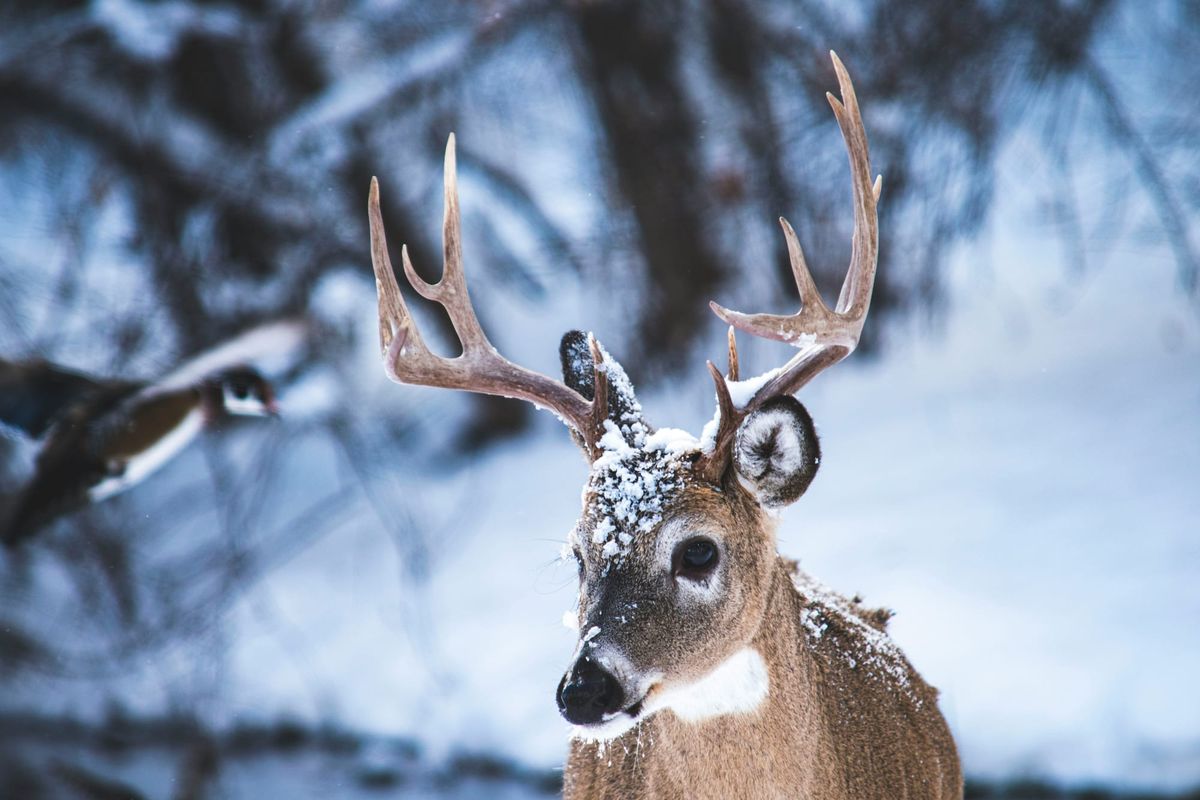
The Michigan Natural Resources Commission is scheduled to vote on May 13 in Gaylord on a package of deer regulation changes that includes limiting hunters to one antlered deer per season statewide. If it passes, the rule takes effect March 1, 2027, in time for next year's license sales.
Here's what the proposal says, where it came from, and what changes if the NRC votes yes.
What the Current Rule Is
Right now, most Michigan hunters can kill two antlered deer per season. The exception is Drummond Island, which has operated under a one-buck limit for years. Everywhere else in the state, a hunter can take a buck in archery season and another in firearm season, or stack tags in other combinations depending on the licenses they purchase.
What the DNR Is Proposing
The Michigan DNR is recommending a statewide one-antlered-deer bag limit. The proposal works differently depending on which part of the state you hunt.
In the Lower Peninsula, the single deer license would default to antlerless only. If you want to hunt a buck, you would need to buy a combination license instead. That raises the price from $20 to $40 for resident hunters. The combo license would allow one antlered deer and one antlerless deer, or two antlerless deer. The choice stays yours, but the option to take two bucks goes away.
In the Upper Peninsula, the changes are similar in structure but account for regional differences in herd dynamics.
The same package includes a shortened muzzleloader season in the U.P. and rescheduling the December antlerless firearms season in the Lower Peninsula to run immediately after muzzleloader season ends.
Where This Came From
The proposal didn't appear out of nowhere. It came out of the DNR's deer advisory teams and a direct request from Natural Resources Commissioner John Walters, who asked the department to develop a recommendation addressing Michigan's buck-to-doe ratio.
The DNR's own numbers tell the story behind the request. In a given year, roughly 80 percent of Michigan hunters take no antlerless deer at all. Only about 20 percent harvest a doe or fawn. The department has described Michigan as having a strong "buck-first" culture, which stands out compared to neighboring Great Lakes states.
The DNR's deer specialist Brent Rudolph acknowledged the numbers directly: over the past decade, only 4 to 7 percent of killed deer each season were a second antlered deer taken by the same hunter, roughly 32,000 animals per year statewide. That's a relatively small number in a state where hunters have taken between 274,000 and 300,000 deer annually in recent years.
"Restricting hunters to a single buck doesn't, according to our statistics, protect a whole lot of additional deer," Rudolph said. "But it limits the options that folks have, and hopefully creates more of a reinforcement for antlerless harvest as an important part of the take."
What Supporters Say
Hunters who support the one-buck rule argue it will help balance the herd's sex ratio over time, which they believe will improve the overall quality of deer hunting in Michigan. With more bucks surviving each season, more of them will reach older age classes, which matters to hunters who prioritize mature animals.
The DNR's own memo states the rule "is expected to lower the overall harvest of antlered deer and may encourage hunters to be more selective, potentially resulting in the harvest of older, larger-antlered bucks."
The biological case centers on the long-term view. Michigan restored its deer herd from near-zero populations in the early 1900s partly through the original one-buck rule, which stayed in place for over three decades starting in 1921.
What Critics Say
Opposition is real and vocal. At the April 8 NRC meeting in Lansing, nearly three dozen people signed up to speak, and the room was packed.
The core objection is about freedom of choice. Critics argue the current system already provides options for hunters to take antlerless deer, and that removing the second-buck opportunity punishes the minority of hunters who use it without meaningfully solving the underlying problem of low doe harvest.
Some hunters also question whether the one-buck rule will push more hunters toward does, or whether it will simply reduce overall participation and tag sales. The DNR has acknowledged the rule could affect license revenue in ways that are difficult to predict.
Others point out that Michigan's deer population is not in crisis. Harvest numbers have been stable, and the herd is not collapsing. The argument that dramatic regulatory change is necessary to fix a broken system is harder to make when the numbers don't support a broken system.
What Happens Next
The NRC meets May 13 in Gaylord at Treetops Resort Conference Center, 9:30 a.m. That meeting is open to the public and includes time for additional comment before any vote. The commission could pass the proposal as written, modify it, or table it for further review.
If you want to weigh in before the vote, the NRC meeting page has registration information for speakers, or you can email nrc@michigan.gov directly.
If the rule passes on May 13, the changes apply starting with the 2027 license year. The 2026 season runs under current regulations.
The Bottom Line
This is a real vote on a real timeline, not a hypothetical that has been floating around Lansing for years. Michigan hunters should know what is on the table before May 13, because if the NRC votes yes, the way you buy your deer license next year looks different.
Whether you think it's good management or government overreach, it deserves more than a gut reaction. The DNR's own data suggests the biological impact will be modest in the short term. The cultural and economic impact on Michigan hunting is harder to predict, and that's the part worth paying attention to.
We'll have updated coverage after the May 13 vote.